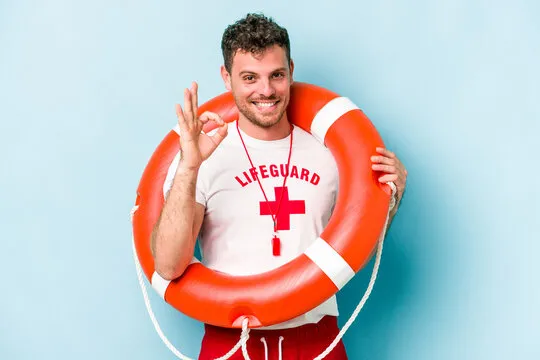
Start Strong with Lifeguard Classes That Shape Real Heroes
Water environments provide fun, recreation, and relaxation, but they also require trained professionals who understand how to prevent accidents and respond during emergencies. A lifeguard is not simply someone who watches swimmers; a lifeguard is a safety professional responsible for protecting lives, recognizing risks, and taking immediate action when necessary.
Choosing the right Lifeguard classes is the first step toward developing the skills, confidence, and knowledge required for a successful career in aquatic safety. Professional training helps individuals understand water hazards, emergency procedures, rescue techniques, and the importance of prevention.
American Lifeguard events provides structured training programs designed to help individuals gain essential lifeguarding abilities. The program focuses on preparing candidates with practical knowledge and safety skills needed for swimming pools, aquatic facilities, recreational centers, and other water environments. A
Whether someone is starting a new career, seeking seasonal employment, or improving their emergency response abilities, professional lifeguard education provides valuable skills that can make a real difference.
Why Professional Lifeguard Classes Are Important
Water-related emergencies can happen within seconds. A trained lifeguard must be prepared to recognize danger quickly and respond effectively. Without proper training, even strong swimmers may not have the knowledge required to handle emergency situations.
Professional Lifeguard classes teach much more than swimming abilities. They focus on developing complete aquatic safety professionals who understand prevention, observation, communication, and rescue procedures.
During quality training, participants learn:
- How to identify potential water hazards
- How to respond to distressed swimmers
- Proper rescue approaches
- Emergency communication methods
- CPR and first aid procedures
- Teamwork and leadership skills
- Safety monitoring techniques
These skills allow lifeguards to create safer environments and protect swimmers before accidents occur.
A successful lifeguard understands that prevention is the most important responsibility. By staying alert and recognizing unsafe behaviors early, lifeguards can often stop emergencies before they happen.
What You Learn in Lifeguard Classes
A complete lifeguard training program combines classroom knowledge with practical skill development. Students learn how to handle different situations and gain the confidence required for real-world aquatic environments.
Water Rescue and Emergency Response Skills
One of the most important parts of lifeguard training is learning how to perform safe and effective rescues.
Participants learn techniques such as:
- Approaching swimmers in distress
- Assisting active and passive drowning victims
- Using proper rescue methods
- Removing individuals safely from the water
- Handling emergency situations calmly
Rescue training teaches future lifeguards how to make quick decisions while protecting both themselves and the person needing assistance.
A professional lifeguard must remain focused under pressure. Training helps students develop the ability to evaluate situations, choose the correct response, and take action confidently.
CPR, AED, and First Aid Training
Emergency medical knowledge is one of the most important parts of becoming a lifeguard. In many situations, immediate care can make a significant difference before professional medical assistance arrives.
Quality Lifeguard classes include education related to:
- CPR techniques
- AED operation
- First aid response
- Emergency assessment
- Injury prevention
- Basic medical assistance
These skills are valuable both inside and outside aquatic facilities. A trained individual can provide assistance during many types of emergencies, making lifeguard training an investment in personal and professional development.
AmericanLifeguardevents training programs include important safety components that help candidates understand emergency response responsibilities.
Benefits of Completing Lifeguard Classes
Becoming a trained lifeguard offers many advantages beyond earning a certification. It helps individuals develop professional skills that can benefit them throughout their careers.
Develop Confidence and Leadership
Lifeguards must make important decisions quickly. Training helps individuals become more confident, responsible, and prepared to handle challenging situations.
Leadership skills developed through lifeguard education include:
- Clear communication
- Decision-making
- Responsibility
- Team cooperation
- Problem-solving
These qualities are valuable in many professional environments.
Create Career Opportunities
Aquatic facilities require qualified individuals who understand safety procedures and emergency response. Completing lifeguard training can open opportunities in various locations, including:
- Swimming pools
- Waterparks
- Fitness centers
- Community recreation facilities
- Resorts
- Educational institutions
Many people begin lifeguarding as a first job and later use the experience to build careers in recreation, public safety, coaching, and management.
Gain Life-Saving Knowledge
The knowledge gained through lifeguard training is useful in everyday life. Emergency situations can happen anywhere, and individuals with proper training are better prepared to assist others.
Learning rescue skills, CPR, and emergency response creates confidence that extends beyond the workplace.
Who Should Take Lifeguard Classes?
Lifeguard classes are designed for individuals who want to develop aquatic safety skills and pursue professional opportunities.
These courses are suitable for:
- Teenagers interested in their first job
- Adults seeking career changes
- Swimming professionals
- Pool employees
- Recreation workers
- Individuals interested in emergency response
Anyone who enjoys helping others and wants to contribute to safer water environments can benefit from lifeguard education.
The most successful candidates are individuals who are responsible, physically prepared, willing to learn, and committed to protecting others.
Choosing the Right Lifeguard Training Program
Selecting the correct training provider is an important decision. A quality program should provide complete preparation instead of focusing only on basic requirements.
When choosing Lifeguard classes, consider:
Training Quality
A strong program should include detailed instruction, practical skills, and preparation for real emergencies.
Flexible Learning Options
Many students have work, school, or personal responsibilities. Flexible training options allow participants to complete their education while managing their schedules.
Professional Support
Access to instructors and learning resources helps students successfully complete their training and build confidence.
Career Preparation
The best programs prepare students not only to pass training requirements but also to perform effectively as professional lifeguards.
How to Prepare for Lifeguard Classes Successfully
Before starting professional training, candidates should understand that lifeguarding requires physical ability, mental focus, and a willingness to learn. Preparation before beginning Lifeguard classes can help students feel more confident and perform better during training.
Some useful preparation steps include:
Improve Swimming Skills
Strong swimming ability is one of the most important foundations of lifeguarding. Candidates should practice different swimming techniques, improve endurance, and become comfortable in various water conditions.
Regular swimming practice helps future lifeguards develop:
- Better stamina
- Stronger water confidence
- Improved breathing control
- Faster response abilities
Being comfortable in the water allows lifeguards to focus on helping others during emergencies.
Maintain Physical Fitness
Lifeguarding can be physically demanding. Rescuing swimmers, moving equipment, and responding quickly require strength and endurance.
A balanced fitness routine that includes swimming, cardiovascular exercises, and strength training can help candidates prepare for the physical aspects of the role.
Develop Observation Skills
A professional lifeguard must constantly monitor swimmers and identify potential dangers before they become emergencies.
Training helps students improve:
- Attention to detail
- Situational awareness
- Decision-making skills
- Emergency judgment
These abilities allow lifeguards to create safer aquatic environments.
The Role of Lifeguards in Modern Aquatic Safety
Lifeguards play a critical role in protecting people at pools, waterparks, beaches, and recreational facilities. Their responsibility extends beyond performing rescues; they are also responsible for preventing accidents through proper supervision and communication.
A professional lifeguard understands that every swimmer has different abilities and safety needs. By maintaining proper surveillance and enforcing safety guidelines, lifeguards help reduce risks and improve the overall experience for everyone.
Modern aquatic facilities depend on trained professionals who can combine technical skills with strong communication. This is why selecting high-quality Lifeguard classes is essential for anyone interested in this career path.
AmericanLifeguardevents provides training options designed to help participants learn important rescue and safety concepts while preparing for professional aquatic responsibilities.
Why Lifeguard Training Is a Valuable Career Investment
Many people choose lifeguarding because it offers more than a job opportunity. It provides experience that builds responsibility, leadership, and confidence.
A lifeguard position can help individuals develop skills that are useful in many careers, including:
- Emergency services
- Recreation management
- Education
- Healthcare support
- Public safety
The ability to stay calm under pressure, communicate clearly, and make quick decisions are qualities valued by employers in many industries.
For students and young professionals, lifeguarding can be an excellent way to gain workplace experience while contributing to community safety.
Start Your Professional Journey With Lifeguard Classes
Becoming a lifeguard begins with proper education and preparation. The right training program provides the knowledge, practical skills, and confidence needed to handle aquatic emergencies responsibly.
Whether you are interested in working at a local pool, recreation center, water facility, or expanding your professional safety skills, enrolling in quality Lifeguard classes can help you move toward your goals.
AmericanLifeguardevents focuses on helping individuals gain essential aquatic safety knowledge through structured training designed for modern learners. Their programs include important areas such as lifeguarding techniques, CPR/AED, first aid, and emergency response preparation.
Choosing professional training is not only about earning a certification; it is about preparing yourself to protect others and make a positive impact.
American Lifeguard events Contact Information
American Lifeguard events
8300 Boone Blvd, 5th Floor
Vienna, VA 22182, USA
Phone: 703-761-6750
Frequently Asked Questions About Lifeguard Classes
What are Lifeguard classes?
Lifeguard classes are professional training programs that teach rescue techniques, water safety procedures, CPR/AED skills, first aid response, and emergency management abilities.
Who should enroll in Lifeguard classes?
Anyone interested in aquatic safety, professional lifeguarding, swimming facility jobs, or learning life-saving skills can benefit from lifeguard training.
What skills are taught during lifeguard training?
Students learn water rescue methods, emergency response procedures, CPR/AED techniques, first aid knowledge, communication skills, and safety prevention strategies.
How do Lifeguard classes help with career opportunities?
Completing professional training can prepare individuals for lifeguard positions at pools, recreational facilities, resorts, and other aquatic environments.
Why choose American Lifeguard events for training?
American Lifeguard events provides structured lifeguard education designed to help participants develop confidence, safety awareness, and professional aquatic skills.

About Premium Author
This post has been authored and published by one of our premium contributors, who are experts in their fields. They bring high-quality, well-researched content that adds significant value to our platform.