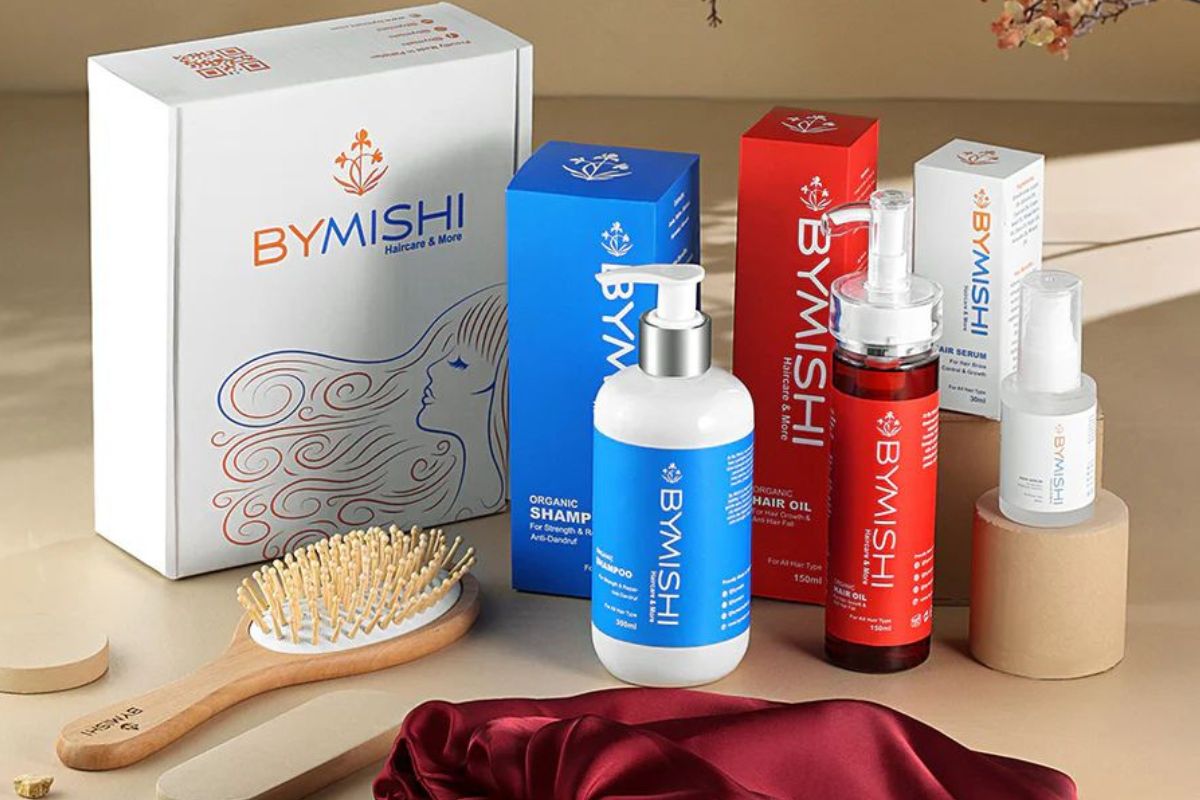
How to Build a Hair Care Routine with Pakistani Products
Taking care of your hair does not have to be complicated or expensive. If you live in Pakistan, you already have access to some amazing local products that work perfectly for our climate, water, and hair types. The hot summers, dusty winds, and hard water in most Pakistani cities can really damage your hair over time. That is why building a proper routine using the right hair care products in Pakistan makes a big difference.
Understanding Your Hair Type First
Before you buy anything, you need to understand your hair type. Pakistani women and men generally have thick, dark hair that can be straight, wavy, or curly. Many people here also deal with oily scalp, dry ends, frizz, and hair fall.
Once you know whether your hair is oily, dry, or combination, choosing the right products becomes much easier. Do not just copy someone else's routine. What works for your friend may not work for you.
Step 1: Oil Your Hair Regularly
Oiling is a tradition in Pakistani households and honestly it is one of the best things you can do for your hair. Our grandmothers were right about this one.
The most popular oils you can find easily in Pakistan are:
- Coconut oil by brands like Dabur or local cold pressed options
- Mustard oil which is very common in Punjab and great for scalp health
- Almond oil which adds softness and shine
- Vatika enriched coconut hair oil which is widely available and very affordable
Apply oil to your scalp and hair at least twice a week. Warm it slightly before applying and massage gently for 10 to 15 minutes. Leave it overnight or for at least 2 hours before washing. This simple step alone can reduce hair fall and dryness significantly.
Step 2: Choose the Right Shampoo
Shampooing too often is one of the biggest mistakes people make. Washing your hair every single day strips away natural oils and makes your scalp produce even more oil to compensate.
Wash your hair 2 to 3 times a week depending on how oily your scalp gets.
Some good shampoo options from hair care products in Pakistan include:
- Head and Shoulders for dandruff control which is very common due to dust and pollution
- Pantene Silky Smooth which works well for rough and frizzy hair
- TRESemmé Keratin Smooth for those who want smoother and manageable hair
- Himalaya Anti-Hair Fall Shampoo which is herbal and gentle on the scalp
- Saeed Ghani herbal shampoos which are locally made and use natural ingredients like henna and amla
If you have a sensitive scalp or prefer chemical free options, go for herbal and natural shampoos. Many local Pakistani brands now offer great herbal options at very reasonable prices.
Step 3: Do Not Skip the Conditioner
A lot of people in Pakistan skip conditioner and that is a big mistake especially if your hair is dry or damaged. Conditioner seals the hair cuticle and makes your hair softer, smoother, and easier to detangle.
Apply conditioner only on the lengths and ends of your hair. Never apply it directly on the scalp as it can make your roots greasy.
Good conditioners available in hair care products in Pakistan:
- Pantene Silky Smooth Conditioner
- TRESemmé Moisture Rich Conditioner
- Dove Intense Repair Conditioner
- Garnier Fructis Strengthening Conditioner
Leave the conditioner on for 2 to 3 minutes and then rinse with cool water. Cool water helps close the hair cuticles and adds shine.
Step 4: Use a Hair Mask Once a Week
A weekly hair mask is like a deep treatment for your hair. It repairs damage, adds moisture, and makes your hair look much healthier over time.
You can either buy a ready made hair mask or make one at home using ingredients from your kitchen.
DIY hair masks you can make at home:
For dry hair: Mix 2 tablespoons of yogurt with 1 tablespoon of honey and 1 tablespoon of olive oil. Apply from roots to ends and leave for 30 minutes.
For hair fall: Mix 1 egg with 2 tablespoons of coconut oil and a few drops of lemon juice. Apply to scalp and leave for 20 minutes.
For frizzy hair: Mash half a banana with 1 tablespoon of coconut oil and apply to hair. Leave for 30 to 45 minutes.
If you prefer store bought options, look for hair care products in Pakistan like the Pantene Hair Mask or TRESemmé Deep Conditioning Mask both of which are widely available.
Step 5: Protect Your Hair from Heat and Sun
Pakistan has intense sun for most of the year. UV rays damage hair just like they damage skin. If you go out regularly or use heat styling tools like straighteners and curlers you need to protect your hair.
Use a heat protectant spray before using any hot tools. Some options available in hair care products in Pakistan include Toni and Guy heat protection spray or the affordable OGX range available at bigger stores and online.
Also try to avoid using heat tools on a daily basis. Air dry your hair whenever possible instead of using a blow dryer on high heat.
Step 6: Eat Right and Drink Water
This one has nothing to do with products but it matters more than anything else. Your hair is made of protein so eating enough protein through eggs, lentils, meat, and nuts is essential.
Drink at least 8 glasses of water a day. Dehydration shows up in your hair before anywhere else. Many Pakistanis do not drink enough water especially in summer and it shows in dry brittle hair.
Also include foods rich in iron like spinach and red meat because iron deficiency is very common in Pakistan and is one of the top causes of hair fall especially in women.
Step 7: Be Gentle with Your Hair
How you handle your hair is just as important as what products you use. Avoid brushing wet hair aggressively. Use a wide tooth comb to detangle starting from the ends and working your way up.
Tie your hair loosely at night and switch to a satin or silk pillowcase if possible. Cotton pillowcases create friction and cause breakage over time.
Avoid tight hairstyles every day as they pull on the roots and cause traction hair loss.
Building Your Weekly Routine
Here is a simple weekly plan you can follow:
Day 1: Oil your hair at night Day 2: Wash with shampoo and conditioner Day 3 and 4: Let your hair rest Day 5: Apply a hair mask for 30 minutes then wash Day 6: Oil your hair lightly Day 7: Wash with shampoo and conditioner
This routine covers all the basics without being too time consuming or expensive.
Final Thoughts
Building a proper hair care routine does not require expensive imported products. Pakistan has a growing beauty industry and there are plenty of good hair care products in Pakistan that are affordable, effective, and suited to our local climate and hair types.

About Premium Author
This post has been authored and published by one of our premium contributors, who are experts in their fields. They bring high-quality, well-researched content that adds significant value to our platform.