Can Construction Cost Estimating Software Reduce Budget Surprises?
Inaccurate quantities, fluctuating material costs, labour changes and missing costs are often the reasons for unexpected costs on construction projects. The problems can lead to financial difficulties, decision making delays and planning problems. While contractors must have a reliable estimate before they start work, estimates can change when designs change, as site conditions can arise, or the prices of suppliers may change. Cost risks provide teams a more accurate forecast of costs and will enable teams to plan with even more confidence.
Contractors are in need of a system to help them break down their project costs and coordinate their cost information, as well as to review changes to their estimate. Construction cost estimating software can identify missing elements, eliminate manual calculation mistakes and track revisions easily. But, accurate drawings, up-to-date pricing and realistic assumptions are necessary for reliable results. Construction teams can leverage digital estimating tools and add seasoned review to help them uncover budget gaps at an earlier stage in the process and make more informed decisions.
Why Do Construction Projects Experience Unexpected Costs?
The problem with underestimating or overestimating the construction budget occurs when estimators are given incomplete drawings, old costs, and a lack of project details. Many errors can occur from materials, labor, equipment and subcontractors. This means the final project price could be higher than the original price quoted. Contractors who are aware of these risks have a better understanding of their financial obligations.
Inaccurate Quantity Takeoffs and Material Prices
The quantity take off is used to decide the amount of materials needed for a project. Mis-measurements can cause over-ordering, not enough orders and extra transport costs. Another challenge is that prices for materials can shift during the estimation process and when materials are being purchased as compared to the price the supplier quotes. Keeping these construction quantity takeoffs and pricing updated helps estimators have a better basis for the estimate of the project costs.
Labor Expenses and Unplanned Project Changes
Overtime, changes in labor schedules or the need for special work by a specialist may result in an increase in labor costs. Design changes and unforeseen site conditions also can impact budgets. For instance, if you revise the floor plan, the quantity of materials and the amount of time they will take to install will also vary. Realistic productivity rates, project requirements and potential changes need to be taken into consideration when estimating construction labor costs.
How Does Construction Cost Estimating Software Reduce Budget Surprises?
Digital estimating software structures the quantities, pricing, labour rates and other project costs in an organized workflow. Teams can keep all costs information in one place, and can easily review estimates, instead of using multiple spreadsheets. This method will help to identify missing pieces and odd figures. But software is not smart enough to fix incorrect data without additional help, and it can't foresee all the unforeseen.
Centralized Cost Data and More Consistent Estimates
Building Cost Estimating Software helps estimators to manage building costs in a common structure. The teams can utilize repeatable cost elements, the same calculations, and estimating templates. These practices minimize discrepancies among estimates, and facilitate revisions. If teams update the prices of materials regularly they can prepare an estimate more in line with the actual purchasing situation.
The centralized records also facilitate comparisons of similar projects. Estimators are able to compare previous costs and look for variations in quantity, manpower and material specifications. Consequently, historical records are useful for reference but not as a stand-alone record.
Quantity Takeoffs and Early Cost Visibility
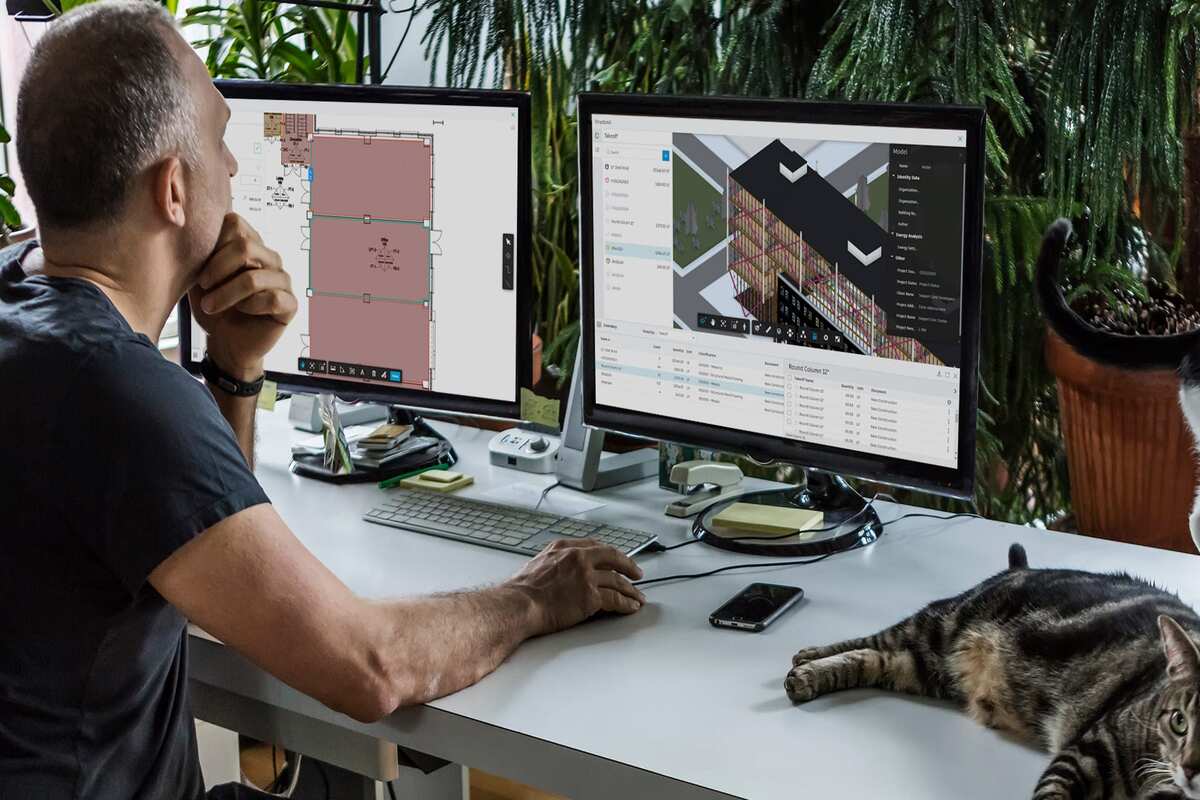
Digital quantity takeoff software makes measurement of project elements and lining up quantities to the appropriate project costs easier for estimators. Depending upon the software, area, length, count, and other dimensions of drawings can be measured. This way, they can work out the approximate number of materials and man-hours needed. These workflows eliminate repetitive calculations and facilitate quantity reviews to be more systematic.
Early cost visibility is important because teams are able to investigate into the figures before bidding. For example, the amount of concrete might be larger than expected, which could be due to a measurement problem or a design need. The drawings can be checked with the Estimators to verify the quantities before the estimate is completed.
Which Features Matter Most for Construction Budget Accuracy?
The appropriate estimating capabilities rely on the size and complexity of the project, as well as business needs. Cost assumptions should be clearly stated, and costs should be visible to the team, so contractors should look for tools that enable cost assumptions to be clearly stated and important figures to be reviewed. Breakdowns are also easier to explain to the client or the subcontractors and internal decision making.
Material, Labor, and Equipment Cost Tracking
Reliable estimating workflows take into account project costs such as materials, labor, equipment and subcontractors. Detailed cost breakdowns give an idea of where the budget is spent, and what are the most expensive costs. The current market price of the supplier is also an important consideration as well as being realistic about the wages available. Using old data - even if correct - can lead to incorrect estimates.
Contractors should scrutinize sources for prices and keep their cost information current. They should also be able to identify direct project costs and overheads and any other relevant costs. This way, you get a more comprehensive view of the expected spending.
Change Orders and Estimate Revisions
Construction costs will typically change once the initial estimate is made. Designs can be changed, materials might be different because of site conditions or project specifications might change. Estimating systems should be flexible enough to enable teams to adjust quantities and prices and keep previous versions. This history helps to better appreciate the reasons behind the budget change.
Similarly, change orders in construction are due for clarity in approvals. The revised scope, costs and authorization for the team should be documented. Original and updated estimates compared to each other by contractors will help them to be more accurate in explaining the budget differences and have better financial records.
Can Estimating Software Predict Every Construction Cost?
All estimating systems are not perfect in predicting the cost of a project. Costs may change once an estimate is made, due to unforeseen conditions, changes in design, supply issues and/or market fluctuations. Software is dependent on the information given by the user, so even if one does not draw the entire picture or make unrealistic assumptions, it may still yield inaccurate figures.
Contractors should thus account for project risks and information available and factor in appropriate contingency allowances. Estimators with experience should check assumptions, check quantities and consider unusual conditions. For projects of long duration, regular cost updates are also of importance.
Construction cost forecasting is best done where teams share the data with skill and expertise. When the conditions are uncertain, people must evaluate it, but software can help to organize calculations and show differences. This is a balanced strategy that will limit unwelcome surprises but won't guarantee that all overruns will go away.
How Can Contractors Measure Estimating Accuracy?
The accuracy of estimating can be determined by checking the initial costs against real costs for the project for contractors. The materials, labor, equipment, subcontractors and other cost factors should all be taken into account when reviewing materials. A clear comparison can be made to identify any areas of under or over spend.
A construction budget analysis can also uncover repeat-estimating errors. For instance, one contractor might underestimate the labor and delivery costs of installation from time to time. These patterns are useful for estimating the value of the assumptions for subsequent projects. But, before changing the figures, teams should try to find out why each difference is occurring rather than changing the figures without any findings.
The more information that is recorded in the history of a project, the more useful it will be. Records should contain the scope of the project, approved changes, and final costs. Post project reviews can then differentiate between scope changes that may be appropriate, and errors in the estimate caused by unexpected conditions. This process over time provides a more reliable foundation for future estimates.
What Should Contractors Consider Before Choosing Estimating Software?
Contractors need to determine if a system is applicable to them, their estimating process and their team's skill sets. Cost breakdown, quantity takeoffs, reporting, integrations, pricing updates and revision history are all important factors to be considered. For smaller companies, ease of use might be more of a concern, whereas for larger teams, they might require more complex workflows.
The price is also a factor that needs to be considered. It is important for contractors to be aware of subscription costs, user quotas, implementation considerations and training options. They may run a demo of the system with a finished project, and then make a comparison with the actuals. This real-world assessment is a good indication of how the software will meet their daily needs.
Conclusion
Often construction costs are unexpected because of insufficient information, incorrect quantities, or project changes. These are more easily identified when you have reliable estimating processes in place before they become problems of a greater magnitude. Construction cost estimating software can help manage costs, normalize the calculations, and monitor changes. However, current prices, full detail of the project and proper judgment are still required in order to get a correct answer. Contractors can benefit from using the right tools in conjunction with routine cost reviews to have more precise estimates and budget uncertainty controlled.
FAQs
How does construction cost estimating software reduce budget surprises?
It calculates the project costs, detects any missing components and minimises manual calculation mistakes. Contractors will get a good idea of what is going into the project before the actual work starts, and identify any budget concerns.
What are the reasons why building cost estimates are incorrect?
The price of outdated materials, missing quantities, changes in labor and missed costs can impact accuracy. Sketching may not be complete and/or site conditions may vary, which can also cause variations in cost.
What should contractors be considering when estimating software?
Some of the benefits of using it include quantity takeoffs, tracking material costs, tracking labor costs, and comparing the estimate revisions. Organized order management and information about costs also enable teams to keep their budgets in check.
Does estimating software ensure that a construction project stay under budget?
No, estimates can't cover all price changes, design changes, and unforeseen site conditions. Accurate project information and regular cost reviews enable contractors to better manage financial risks. .

About Premium Author
This post has been authored and published by one of our premium contributors, who are experts in their fields. They bring high-quality, well-researched content that adds significant value to our platform.